Oxidised or polished?
Every Palak piece can be made in either finish. Here is how they differ, and how to choose.
Both finishes start from the same piece of 925 sterling silver. The difference is what happens at the very end, and it changes the character of the jewel more than you might expect.
Oxidised silver
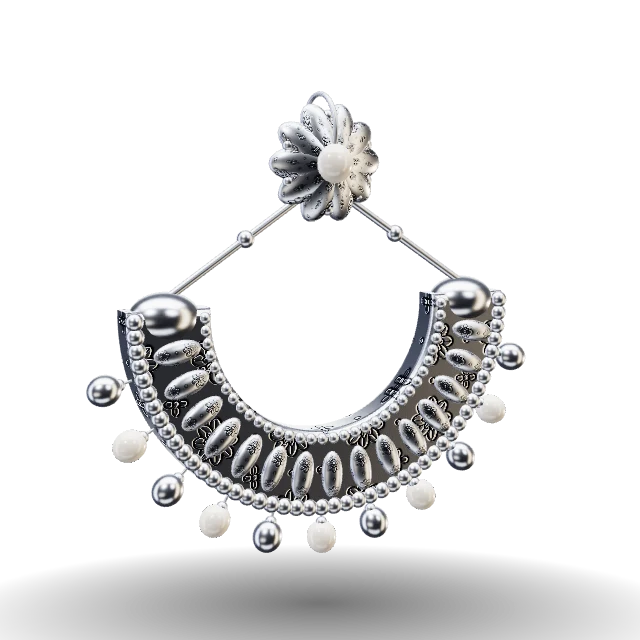
To oxidise silver, the finished piece is treated so that its surface darkens. The raised parts are then polished back to bright silver, leaving the dark tone only in the recesses: in the lines of the engraving, between the beads, inside the jaali. The result is contrast. Every detail stands out, and the piece looks rich and a little antique.
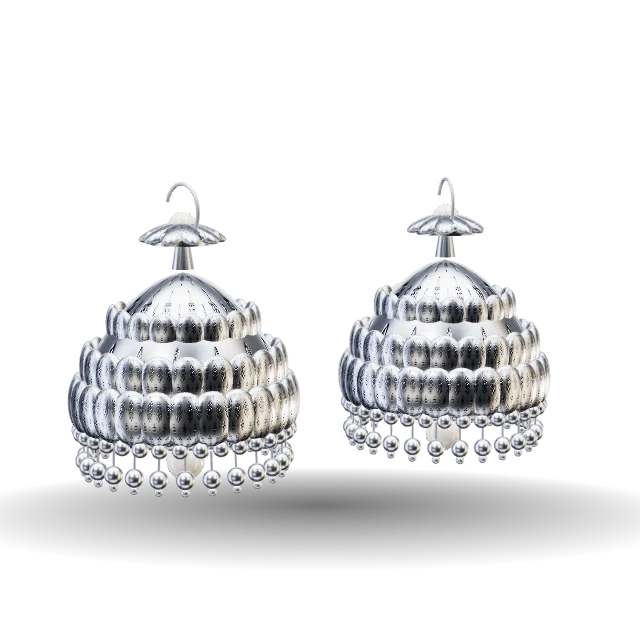
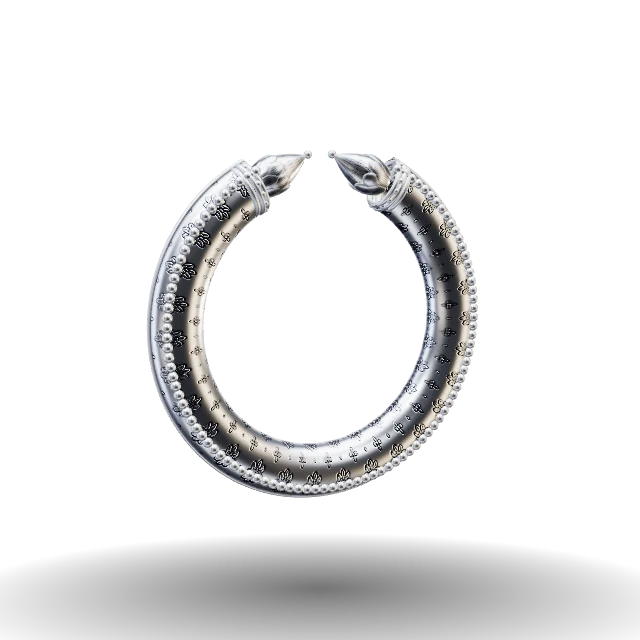
Oxidised silver is the traditional look of Rajasthani jewellery. It suits heavily engraved pieces, like a Jaipur Jhumka or the Kamal Kada, and it makes coloured stones glow against the darker metal.
Polished silver
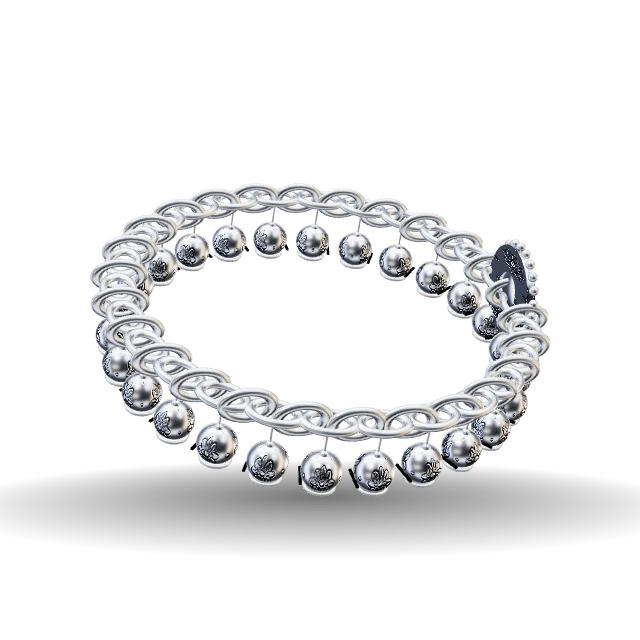
A polished piece is left bright all over. It reflects more light, feels lighter and more modern, and lets the outline of the piece speak rather than its engraving. It suits simpler forms, rings and studs, and anyone who prefers a clean, bright look.
Oxidised shows the detail. Polished shows the light.
How each one wears
- Polished silver slowly tarnishes with air and skin contact, and a soft silver cloth brings the shine back.
- Oxidised silver already holds its darkness in the recesses. Wipe only the raised areas, and never use a dip cleaner, which would strip the dark detail away.
- With wear, the high points of an oxidised piece polish themselves a little brighter. Many people love this: the jewel becomes more personal over time.
Which should you choose?
For traditional outfits, festivals and weddings, oxidised is the classic choice. For everyday wear and western clothes, polished often feels easier. If you are unsure, switch between them on any piece page or in the 3D studio: the finish switch shows the same piece both ways.