The city of coloured stones
Long before it was called the Pink City, Jaipur was a city of craftsmen. Its gem trade is part of its foundation.
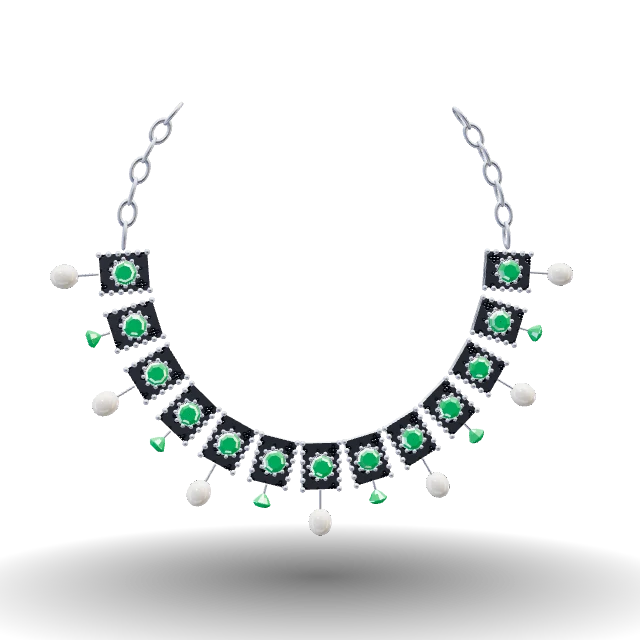
Jaipur was founded in 1727 by Maharaja Sawai Jai Singh II, one of the first planned cities in India, laid out on a grid of wide streets and markets. From the beginning its rulers invited skilled craftsmen to settle there, and jewellers and gem cutters were among them.
A city of cutters
Over the centuries that followed, Jaipur's workshops became known for coloured stones above all: emeralds, rubies, sapphires and garnets, and the many semi-precious stones used across Indian jewellery. Rough stones came to the city from mines across the world to be cut and polished, and much of that work still happens in small family workshops in the old city, often passed from one generation to the next.
Jaipur is especially known for emeralds. It remains one of the world's most important centres for cutting them, which is why the green of the panna is so closely tied to the city.
The stones arrive rough. They leave Jaipur shining.
Why "the Pink City"?
In 1876 the old city was painted a terracotta pink to welcome the Prince of Wales, and the colour has been kept ever since. Today the walled city is a UNESCO World Heritage Site, and its bazaars, including Johari Bazaar, the jewellers' market, are still at the heart of its trade.
Silver and stone
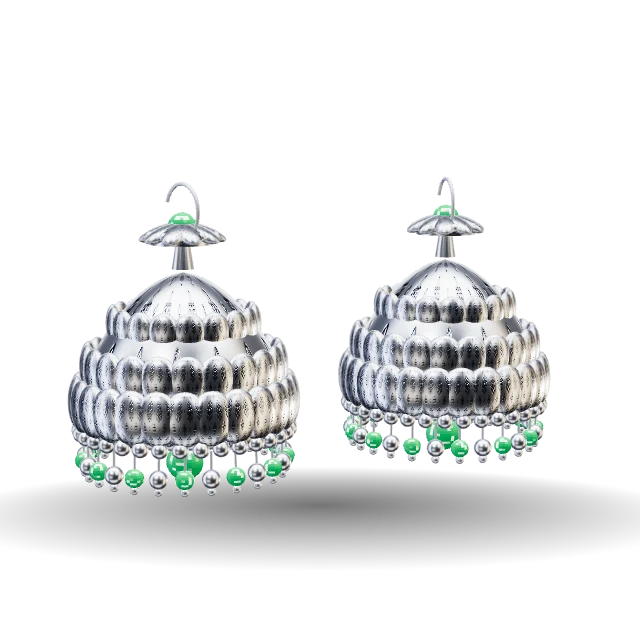
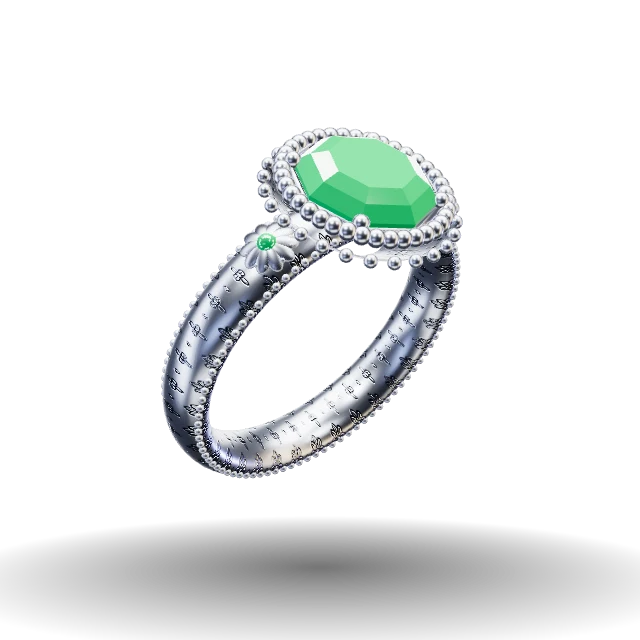
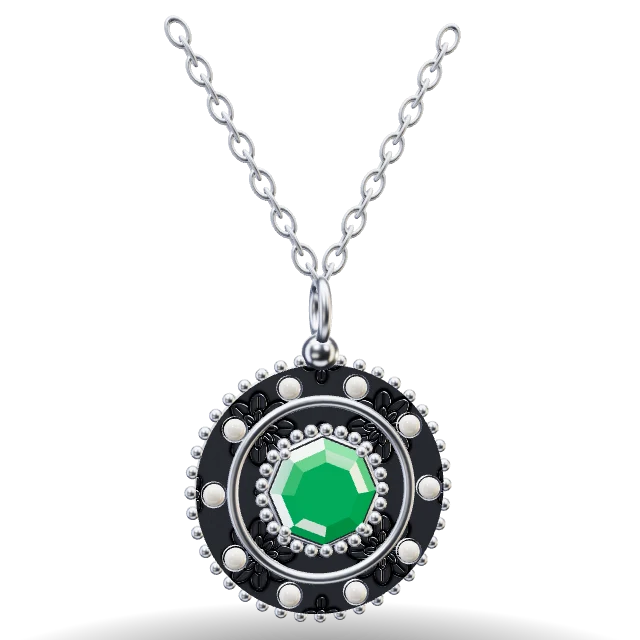
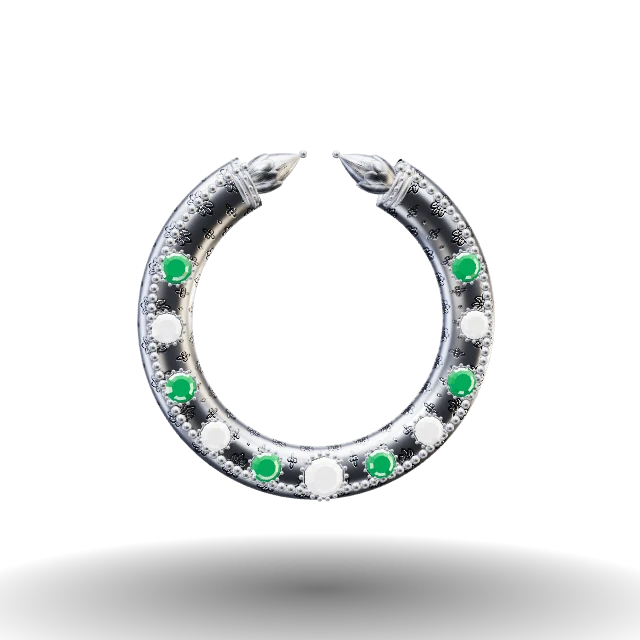
Alongside the gem trade, Rajasthan has a long tradition of silver jewellery: heavy kadas and payals, engraved jhumkas, and pieces finished with beads, bells and jaali work. Palak brings the two together: the silver forms of Rajasthan, set with the stones Jaipur is known for.